Technique
Watercolor Glazing Explained
Glazing builds color and value through separate dry layers. Instead of mixing everything before the brush reaches the paper, you allow colors to interact across time.
Let the previous layer dry, place a thin new layer confidently, and avoid repeated brushing. Transparent pigments reveal earlier layers most clearly, but more opaque layers can also be used deliberately.
What is glazing?
A glaze is a relatively thin layer of watercolor applied over an earlier layer that has dried. The technique belongs to the wet-on-dry family.
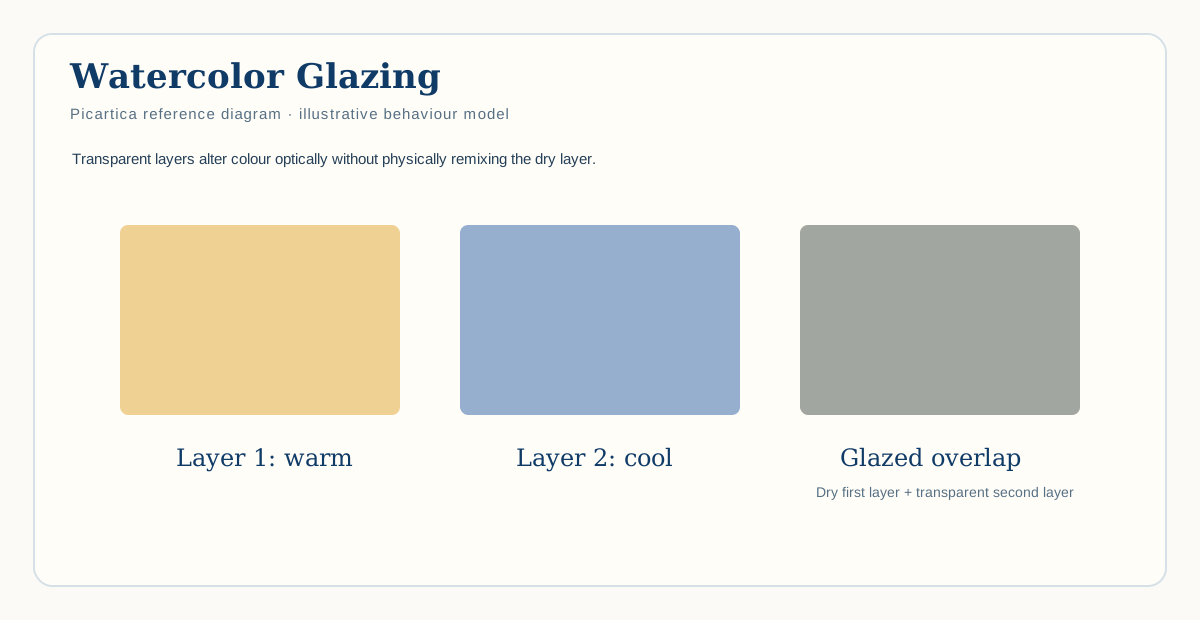
If the lower layer is still wet, the colors mingle physically in one active wash. That is not the same layered effect.
Why glaze instead of mixing on the palette?
A yellow underlayer with transparent blue over it can appear green while both layers remain visually involved. Palette mixing combines pigments before application; glazing allows them to interact across separate layers.
Glazing is also a controlled way to deepen value gradually rather than committing immediately to the final dark.
The lower layer must be dry
A surface can look dry while still holding moisture deeper in the paper. If a clean crisp glaze matters, give the passage enough time for your actual paper, water load and environment.
Why previous layers sometimes move
Dry watercolor can often reactivate. Low-staining pigments may lift more readily; repeated passes, excessive water and brush pressure increase the chance of disturbing the underlayer.
Prepare enough mixture, make fewer deliberate passes and leave the glaze alone once it is placed.
Three-layer value exercise
Use one transparent pigment. Make one rectangle with one layer, a second with two dry layers and a third with three. The result becomes a simple layer-to-value reference for that paint.
Mixing combines colors before they reach the paper. Glazing allows colors to meet across separate layers.
Sources & verification
Core technical claims in this article were checked against the sources below. Picartica test protocols, editorial judgments and recommendations remain clearly separate from manufacturer claims.
- Canson — Basic concepts for painting with watercolorsManufacturer education
Wet-on-dry, wet-on-wet, wash, graduated wash and glazing definitions; practical wet/dry colour shift note. - DANIEL SMITH — Watercolor for beginnersManufacturer education
Transparency, granulation, staining and lightfastness as distinct watercolour properties; transparency and glazing.
Verification status: core technical claims checked against the cited sources. Page structure, internal links and publication markup were re-audited for this release on 6 September 2026.